
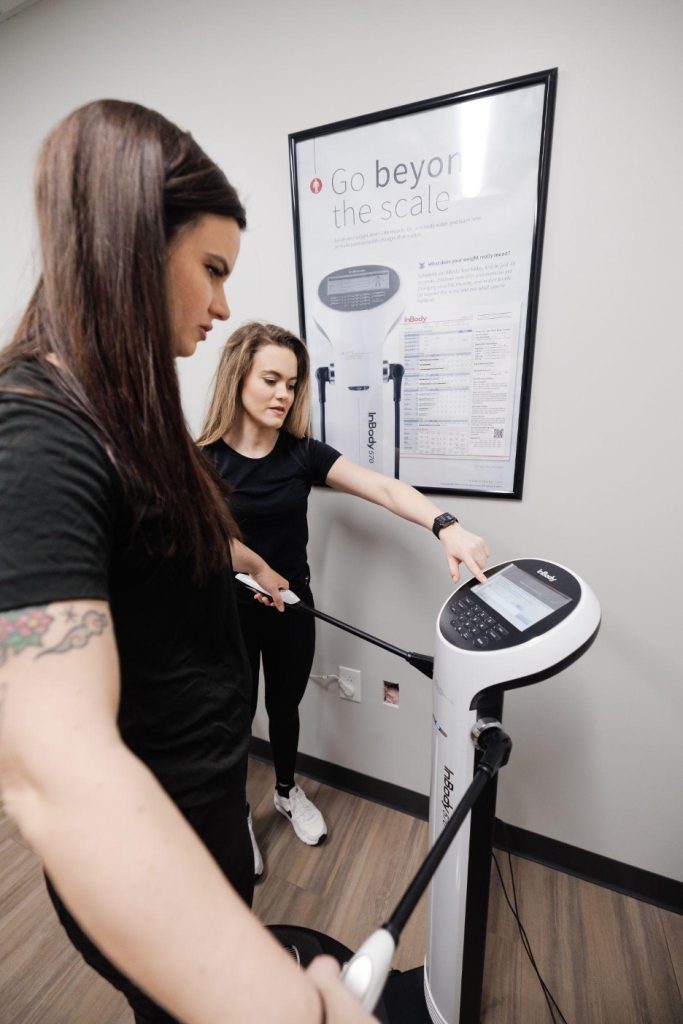
If you have completed an InBody 570 scan at The Training Room, you have seen a number called visceral fat. This is one of the most important markers of long term health, metabolic function, and disease risk, yet many people do not fully understand what it means or how to improve it.
Visceral fat is not just about body weight or appearance. It is a key driver of inflammation, insulin resistance, cardiovascular disease, and declining energy levels as we move through our 40s, 50s, and 60s. The good news is that it responds quickly to the right type of training and nutrition plan.
In this article you will learn what visceral fat is, why it matters, and how to effectively reduce it using a structured combination of aerobic exercise, strength training, and sustainable nutrition strategies. You will also see how our data driven training model at The Training Room in Westerville is designed to help our members lower their visceral fat and improve their long term health.
What Is Visceral Fat
Visceral fat is the fat stored deep inside the abdominal cavity surrounding the internal organs including the liver, pancreas, and intestines. This is different from subcutaneous fat, which sits just under the skin.
You cannot always see visceral fat from the outside. A person can appear to be a normal weight and still have elevated visceral fat levels. That is why body composition testing with an InBody 570 is so valuable. It allows us to measure what is happening beneath the surface and build a targeted plan.
Why Visceral Fat Is Dangerous
Visceral fat is considered metabolically active tissue. It releases inflammatory chemicals and hormones that negatively affect the entire body. High levels are strongly associated with insulin resistance, Type 2 diabetes, heart disease, fatty liver disease, hormonal disruption, and chronic low grade inflammation.
Two people can weigh the same and have completely different health risks based on their visceral fat level. This is why focusing only on the scale often leads to frustration and missed opportunities to improve real health outcomes.
How Much Weight Loss Is Needed to Reduce Visceral Fat
One of the most encouraging findings in the research is that visceral fat responds quickly to lifestyle changes. A reduction of about five percent of total body weight can lead to a thirteen to twenty one percent reduction in visceral fat. Exercise alone can reduce visceral fat even when body weight does not change. This is largely due to increases in lean muscle mass and improvements in metabolic function.
The Most Effective Exercise for Visceral Fat Reduction
Moderate intensity aerobic exercise is the most effective form of training for reducing visceral fat. This typically means working at fifty to seventy percent of your maximum heart rate. The current recommendation of one hundred fifty to three hundred minutes per week of moderate intensity aerobic activity is enough to significantly reduce visceral fat.
Examples include brisk walking, cycling, rowing, incline treadmill training, and structured conditioning circuits.
High intensity interval training and vigorous aerobic training appear to produce the greatest reductions when properly programmed for the individual. Even in the absence of weight loss, exercise can reduce visceral fat by more than six percent.
The Role of Strength Training
Resistance training alone shows mixed results for directly reducing visceral fat, but it plays a critical role in long term success. Strength training preserves lean muscle during fat loss, improves insulin sensitivity, increases resting metabolic rate, and helps maintain results over time.
Aerobic exercise is highly effective for reducing visceral fat. Strength training ensures that the weight lost comes from fat instead of muscle and helps prevent visceral fat from returning.
The Nutrition Strategy for Visceral Fat Loss
Caloric control is a key factor in reducing visceral fat. This does not require extreme dieting. It requires consistency and a structured plan.
Research supports several effective strategies. A moderate calorie deficit leads to meaningful visceral fat reduction. Mediterranean and plant forward eating patterns improve visceral adiposity, especially when combined with caloric control. Minimizing sugar sweetened beverages is essential because higher intake is directly associated with increases in visceral fat.
A high protein intake is also important because it helps preserve lean muscle and improves satiety, making fat loss more sustainable.
Why Combining Exercise and Nutrition Works Best
When exercise and nutrition are combined, the reduction in visceral fat is significantly greater than with either strategy alone. For the same five percent weight loss, exercise produces about a twenty one percent reduction in visceral fat compared to about thirteen percent with diet alone. This is why a structured training program combined with nutrition coaching produces the most reliable and sustainable results.
How Training at The Training Room Helps Reduce Visceral Fat
At The Training Room in Westerville we use InBody 570 scans to measure visceral fat and track progress over time. This allows us to build a targeted plan instead of guessing.
Our training model is built around four key components.
Strength training increases lean muscle mass, which improves metabolic rate and insulin sensitivity.
Aerobic base development places you in the heart rate zones that are most effective for reducing visceral fat and improving cardiovascular health.
Progressive overload increases work capacity, allowing your body to burn more energy and become more metabolically efficient.
Nutrition coaching focuses on sustainable habit change, adequate protein intake, and structured meal patterns that support fat loss without extreme dieting.
This integrated approach is especially effective for adults over forty who want to reduce abdominal fat, improve energy, and lower their risk for chronic disease while getting stronger.
Why Tracking Visceral Fat Changes the Way You Measure Progress
Most programs only track body weight. At The Training Room we track body fat percentage, lean muscle mass, and visceral fat. This gives you a complete picture of your progress and allows you to see meaningful improvements even when the scale is not moving.
Reducing visceral fat leads to improved energy, better blood sugar control, lower cardiovascular risk, increased strength, and greater confidence.
Get Your Visceral Fat Number in Westerville
If you have never measured your visceral fat, the first step is to schedule an InBody 570 scan. From there we can interpret your results, build a personalized training and nutrition plan, and track your progress with objective data.
If you are ready to reduce visceral fat, improve your health, and build long term strength, schedule your InBody scan and strategy session today at The Training Room.
Click here to schedule an Inbody 570 scan with one of our trainers.
Recent Comments